Basketball Cash Out: When to Take Early Profits or Cut Losses
 Available in US
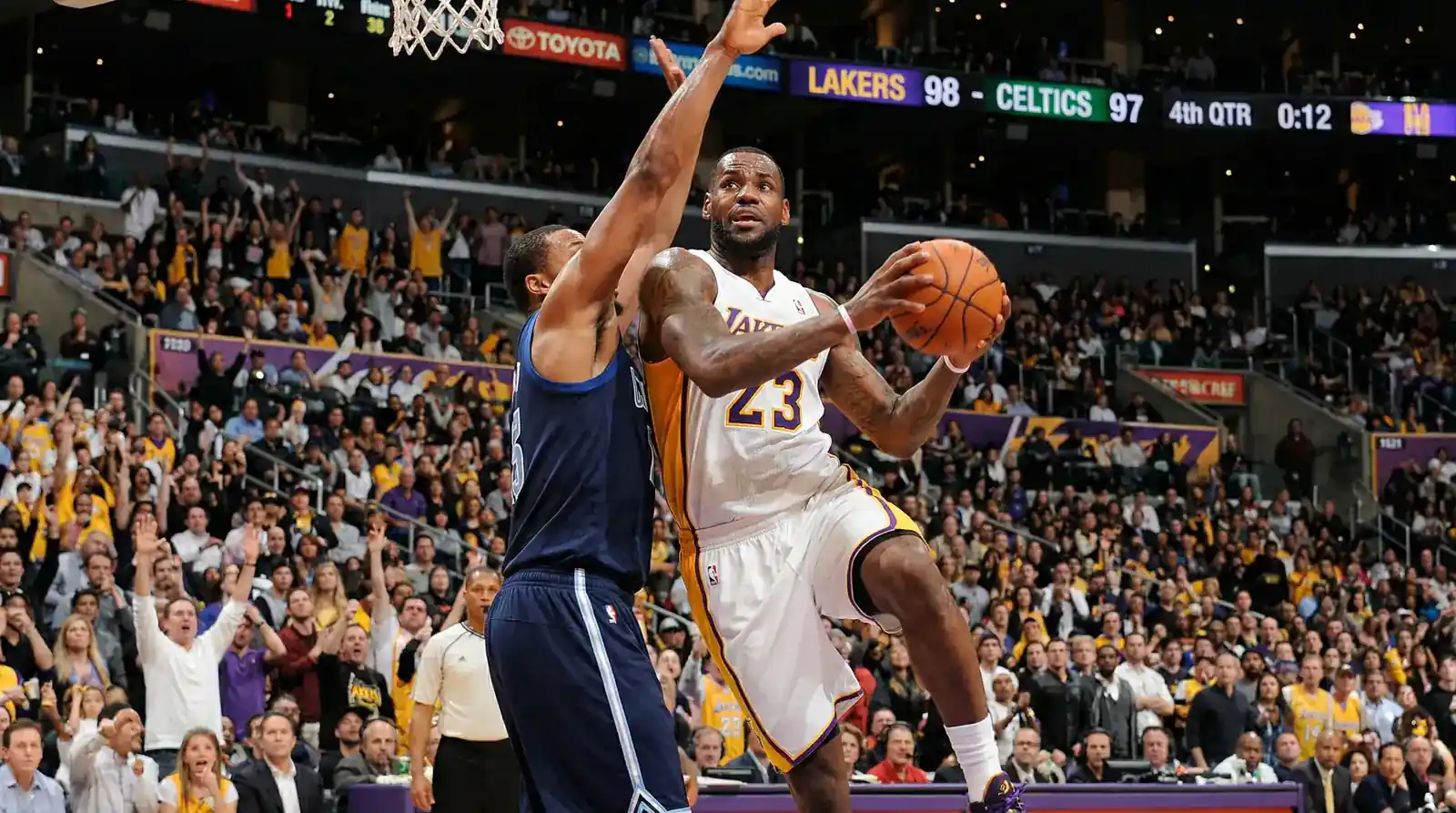
Halftime showed my parlay alive but vulnerable. Three legs had won; the fourth needed the Celtics to hold a six-point lead through two more quarters. The cash-out offer showed £180 profit against potential £340 if I let it ride. My gut screamed to take the money. I cashed out. Boston won by fourteen. I’d surrendered £160 of potential profit – and I’d make the same decision again.
Cash out gives basketball bettors the power to settle bets early before final outcomes are determined. Rather than waiting until games end, you can accept partial profits on winning positions or limit losses on deteriorating bets. UK bookmakers widely offer this feature across NBA and European basketball markets.
The decision framework around cash out proves more complex than the feature itself. When does accepting less than full potential profit make sense? When does cutting losses serve you better than hoping for recovery? These questions don’t have universal answers, but understanding the dynamics helps you make better decisions.
How Cash Out Works
Understanding the mechanics reveals both the opportunity and the cost embedded in cash-out offers.
Cash-out values reflect current win probability adjusted for bookmaker margin. If your bet has 70% chance of winning at current game state, the cash-out offer approximates 70% of potential returns minus the bookmaker’s cut. The offer updates continuously as game situations change.
Bookmakers profit from cash out. The margin built into offers means that, mathematically, letting all bets run produces better expected value than systematically cashing out. Cash out sacrifices edge for certainty – a trade-off you must consciously accept.
Partial cash out lets you hedge incrementally. Rather than fully settling, you might cash out 50% of a bet while letting 50% ride. This middle path provides some certainty while maintaining upside exposure.
Cash-out availability varies by market and game state. Some bets don’t qualify for cash out; others lose cash-out availability during certain game situations. Check whether specific bets offer cash out before assuming the option will exist.
Technical failures occasionally prevent cash out execution. The offer visible on your screen might disappear before you accept it; prices move faster than interfaces update. Don’t assume the displayed cash-out value is guaranteed until you’ve confirmed settlement.
When Cash Out Makes Sense
My halftime decision reflected circumstances where cash out genuinely improves outcomes despite expected value sacrifice.
Bankroll protection sometimes outweighs expected value. If a loss would significantly damage your betting capacity, locking in profit or limiting loss preserves your ability to continue betting. Survival matters more than optimisation for bettors whose bankrolls can’t absorb large swings.
Changed circumstances might invalidate your original analysis. If you bet based on information that’s no longer accurate – an injury during the game, tactical changes you didn’t anticipate – your edge may have disappeared. Cash out reflects current reality rather than pre-game expectations that no longer apply.
Parlays create accumulating risk that cash out addresses. A four-leg parlay with three winners has concentrated all risk on one remaining leg. The asymmetry between potential loss and potential gain might justify locking in substantial profit rather than risking everything on one outcome.
Psychological relief sometimes justifies mathematical suboptimality. If holding a position creates stress that affects your judgment or wellbeing, taking profit and moving on serves you better than technically optimal but emotionally damaging decisions.
Live information advantage can flip the calculation. If you’re watching the game and see something the market hasn’t priced – a key player favouring an injury, momentum shifts the algorithm misses – your live assessment might differ from the cash-out algorithm’s inputs.
When to Let It Ride
Equally important is recognising when cash out temptation should be resisted.
If your original analysis remains valid and circumstances haven’t changed, mathematical expected value favours letting bets run. The edge you identified pre-game doesn’t disappear just because you’re nervous; the cash-out margin costs you money for no analytical reason.
Hedging against variance isn’t always wise. If you’ve sized bets appropriately, individual outcomes shouldn’t matter enough to justify sacrificing edge. Correct bankroll management removes the need for protective cash outs on properly sized positions.
Emotional reactions to game flow often mislead. A team down ten at halftime might have excellent second-half prospects; cashing out a position on them crystallises a loss that patience might avoid. Distinguish between changed circumstances and temporary adversity.
Systematic cash-out tendencies erode profitability. If you always cash out winning positions early and let losing positions run hoping for recovery, you’re guaranteeing smaller wins and larger losses. This pattern destroys positive expected value even when individual edges exist.
Small-stake bets rarely justify cash-out attention. The mental energy spent deciding whether to cash out a £5 bet exceeds any meaningful financial impact. Reserve cash-out consideration for positions significant enough to warrant active management.
Developing a Framework
Rather than deciding cash out spontaneously during games, I developed pre-established criteria that guide decisions consistently.
Define cash-out triggers before games start. Specific circumstances that warrant cash out consideration – substantial leads, injury news, parlay near-completion – should be identified in advance. When triggers hit, evaluate; otherwise, let bets run.
Set minimum thresholds for cash-out consideration. Perhaps you never cash out bets below certain stake levels, or never cash out single bets regardless of stake. Rules prevent over-managing positions that don’t warrant active attention.
Calculate the true cost of cash out offers. Compare the offered amount to your assessment of current expected value. If the cash-out sacrifice exceeds acceptable levels, decline. If the certainty premium seems reasonable given circumstances, consider accepting.
Track your cash-out decisions and outcomes. Over time, data reveals whether your cash-out intuitions improve or damage results. If systematic patterns emerge – perhaps you cash out too early on parlays or hold losing positions too long – adjust accordingly.
Separate emotional impulses from legitimate analysis. When you feel the urge to cash out, ask whether that impulse reflects changed circumstances or merely anxiety. Legitimate analysis might support cash out; pure nervousness usually doesn’t.
Cash Out Questions Answered
Does cash out cost money in the long run?
Yes, mathematically. Cash-out offers include bookmaker margin, meaning the offered amount is less than true expected value. Systematically cashing out reduces long-term returns compared to letting all bets run. However, individual circumstances like bankroll protection, changed information, or parlay risk concentration sometimes justify this expected value sacrifice.
Should I cash out parlays before the last leg?
It depends on your circumstances. Multi-leg parlays concentrate substantial value in single remaining outcomes, creating high-variance situations. If the potential loss would significantly impact your bankroll or the profit secured through cash out is meaningful, cashing out might make sense. If you’ve sized the parlay appropriately and your analysis remains valid, letting it ride maximises expected value.
Making Cash Out Serve You
That Celtics parlay decision wasn’t about the £160 I surrendered – it was about the £180 I secured. The math slightly favoured letting it ride, but my bankroll situation and the parlay’s structure made certainty valuable. Context determined the right choice.
Cash out is a tool, not a strategy. Using it thoughtfully in appropriate situations improves outcomes; using it reactively based on anxiety degrades results. Develop criteria, apply them consistently, and track outcomes to refine your approach.
Accept that cash-out decisions are inherently uncertain. You’ll cash out and watch bets that would have won; you’ll let bets ride and watch them lose. Neither outcome proves the decision was wrong. Judge your process over many decisions, not by individual results.
If cash out creates stress rather than relieving it – constantly monitoring offers, second-guessing decisions, regretting choices – consider whether the feature serves you at all. Some bettors do better simply placing bets and accepting outcomes without active management.
Published by the Basketball Sports Betting team.