NBA Back-to-Back Games: Betting Fatigue and Rest Advantages
 Available in US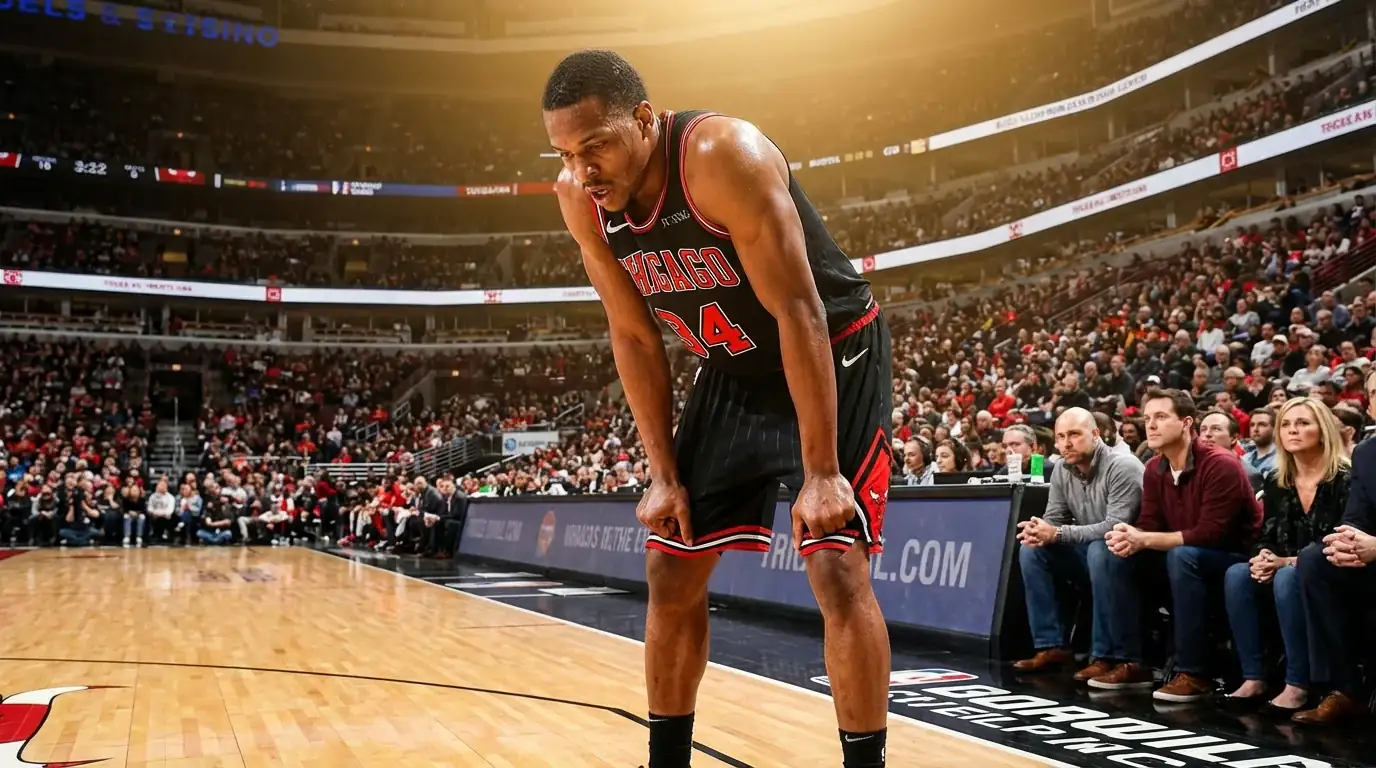
The Lakers looked dominant Tuesday night – controlled tempo, crisp ball movement, defensive intensity throughout. Wednesday, against an inferior opponent, they sleepwalked through 48 minutes and lost outright. My spread bet died not because of analytical failure but because I’d ignored the back-to-back. Lesson learned expensively.
Back-to-back games – two games in consecutive days – create fatigue situations that systematically affect NBA performance. Teams playing their second game in two nights face physical recovery challenges that rested opponents don’t share. Understanding these dynamics provides genuine betting edge for UK punters willing to incorporate schedule analysis.
The NBA’s compressed season pushes teams through back-to-backs roughly twelve to fifteen times per season. Each instance creates a situational factor that affects both betting lines and actual performance – making schedule awareness essential for serious basketball analysis.
Fatigue Impact
Quantifying back-to-back disadvantage took me through years of data analysis. The effect is real, measurable, and exploitable – though not as simple as “always fade the tired team.”
Historical data shows back-to-back teams underperform by roughly 2 to 3 points against the spread on average. This disadvantage appears in both moneyline and spread performance. The market attempts to price this factor, but adjustment accuracy varies.
Travel compounds fatigue effects. A team flying coast-to-coast between games faces more severe disadvantage than one playing consecutive home games. Time zone changes, flight duration, and arrival timing all affect recovery capacity.
The second game’s opponent’s rest matters significantly. Back-to-back team facing a rested opponent shows larger performance drop than back-to-back team facing another tired squad. Rest differential, not absolute fatigue, drives much of the effect.
First versus second night performance differs. Most teams perform adequately on the first night of back-to-backs when they’re fresh; the decline appears primarily on the second night. This asymmetry means backing teams on the first night of their back-to-backs often provides value rather than requiring fading.
Individual player fatigue varies by age and conditioning. Older veterans often show larger second-night drops; young players sometimes maintain consistent performance. Roster composition affects how severely back-to-backs impact specific teams.
Rest Advantages
Flipping the analysis revealed something interesting: rest advantage sometimes exceeds fatigue disadvantage. Teams coming off multiple days rest show performance boosts worth tracking.
Two days rest – one day off between games – represents baseline NBA recovery. Performance against teams with equivalent rest shows no systematic advantage either direction.
Three or more days rest creates measurable advantage. Teams with extended breaks typically outperform spread expectations, particularly when facing tired opponents. All-Star break returns and schedule quirks that create extended rest merit attention.
However, excessive rest sometimes backfires. Teams with a week or more off occasionally show rust – rhythm disruption that affects early-game performance. This rust effect typically dissipates within a quarter or two but can affect first-half betting.
Rest advantage interacts with team quality. Elite teams generally capitalise on rest advantages more effectively than weaker squads. A rested contender facing a tired team creates larger edge than a rested lottery team in the same spot.
Home versus road rest affects utilisation. Rest advantages at home tend to materialise more reliably than road rest advantages. Travel requirements partially offset recovery benefits for teams playing away after extended breaks.
Market Pricing
Markets have become increasingly sophisticated at pricing schedule factors. The easy edge that once existed in simply betting against back-to-back teams has diminished substantially.
Modern NBA spreads typically incorporate 1.5 to 2.5 points of adjustment for back-to-back situations. This built-in discount means blindly betting against tired teams no longer guarantees value – the market has priced the obvious factor.
Value now exists in identifying when market adjustments are inaccurate. Some back-to-backs merit larger adjustments than markets apply; others deserve smaller adjustments. Distinguishing between them requires contextual analysis beyond simple schedule identification.
Travel specificity often escapes full market pricing. A West Coast team playing in New York then Boston (short flight, same time zone) faces different challenges than that same team playing New York then Denver (long flight, time zone change). Generic back-to-back adjustments might misprice these distinctions.
Roster depth affects whether standard adjustments apply. Deep teams with quality benches handle fatigue better than top-heavy rosters relying on stars playing heavy minutes. Team-specific adjustments might differ from league-average back-to-back impacts.
Early-season versus late-season back-to-backs show different patterns. Early-season fatigue accumulates less severely; late-season back-to-backs during playoff positioning races carry heightened fatigue and motivation factors. Timing context matters.
Situational Factors
My back-to-back betting evolved from simple pattern recognition to contextual analysis. The situations surrounding schedule spots often matter more than the schedule spots themselves.
Game importance affects effort allocation. A back-to-back team playing a playoff rival might exceed expected effort despite fatigue; the same team playing a non-threatening opponent might rest stars or mail in performance. Motivation trumps fatigue in some situations.
Injury reports become crucial in back-to-back spots. Teams often rest borderline-healthy players on back-to-back second nights for precautionary reasons. Checking injury reports closer to game time than usual helps identify rest decisions.
Load management programmes vary by team. Some organisations aggressively rest veterans on back-to-backs; others play everyone regardless. Understanding team-specific policies predicts lineup decisions before official announcements.
Previous game intensity matters. A back-to-back following an overtime battle differs from one following a blowout. Extended minutes in the first game compound second-night fatigue; comfortable wins minimise the effect.
Opponent back-to-back status creates combined scenarios. When both teams play their second game in two nights, the fatigue differential disappears – these matchups often resemble normal games more than typical back-to-back situations.
Back-to-Back Questions Answered
How much do back-to-backs affect NBA betting?
Back-to-back teams historically underperform by roughly 2-3 points against the spread. However, modern markets price much of this disadvantage already. Value exists in identifying situations where actual impact differs from market adjustment – travel specifics, roster depth, game importance, and opponent rest status all affect whether standard adjustments are accurate.
Should I always bet against back-to-back teams?
No. Simply fading back-to-back teams no longer provides consistent edge because markets already adjust for this factor. Profitable back-to-back betting requires identifying when market adjustments are insufficient (extreme travel, depleted rosters) or excessive (minimal travel, deep benches, motivated teams). Context matters more than schedule alone.
Schedule-Aware Betting
That Lakers loss taught me schedule awareness isn’t optional – it’s foundational. Every NBA bet should consider rest differential as standard analytical input, not afterthought.
Build schedule review into your pre-bet process. Check both teams’ recent games, upcoming games, and travel patterns before placing any NBA wager. This context affects how you interpret other analytical factors.
Track your back-to-back betting separately. Calculate ROI when betting on tired teams, against tired teams, and in neutral rest situations. The data reveals whether your contextual analysis translates into actual edge.
Use schedule spots as opportunity identifiers rather than automatic betting triggers. When you see a rest mismatch, investigate whether the market has priced it correctly. Sometimes it has; sometimes it hasn’t. Your job is distinguishing between those situations rather than assuming schedule automatically creates value.
Develop team-specific understanding of back-to-back performance. Some teams consistently handle fatigue better than others due to roster depth, conditioning programmes, or coaching approaches. This knowledge helps you identify when standard market adjustments overcompensate or undercompensate for specific matchups.
Remember that schedule analysis complements other factors rather than replacing them. A back-to-back situation matters, but so do matchup dynamics, injury situations, and motivation factors. The best analysis integrates schedule awareness with comprehensive game evaluation.
Prepared by the Basketball Sports Betting editorial staff.